One Summit. Many Perspectives.
The 18th U.S.-China Green Energy Summit brings together leaders across policy, science, academia, regulation, technology, industry and investment to advance practical dialogue on the next phase of the global energy transition.
Global Policy & International Leadership
Public leaders shaping the policy, diplomatic and international context for the energy transition.
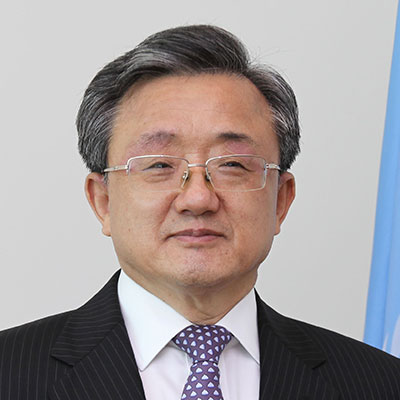
Liu Zhenmin
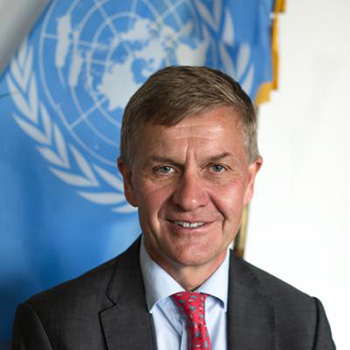
Erik Solheim
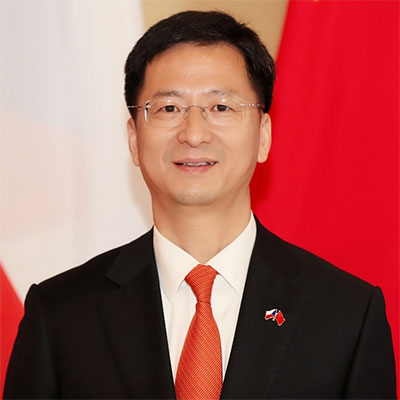
Zhang Jianmin
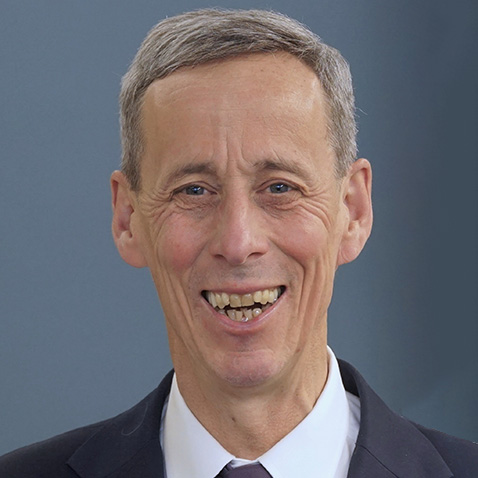
Craig Allen
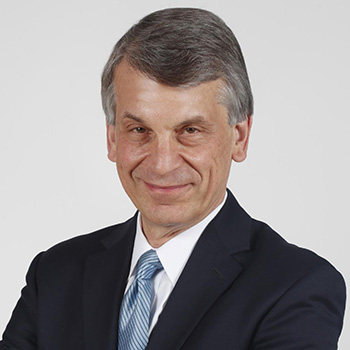
David Sandalow
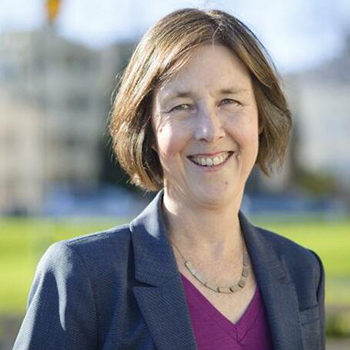
Nancy Skinner
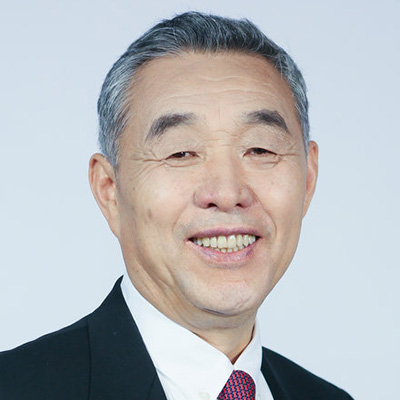
Li Junfeng
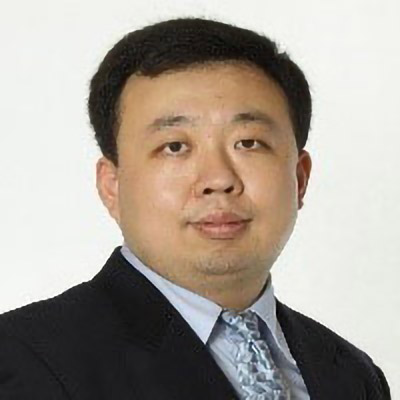
Qi Wang
Science, Economics & Academic Leadership
Leading thinkers connecting science, economics, technology, finance and public policy.
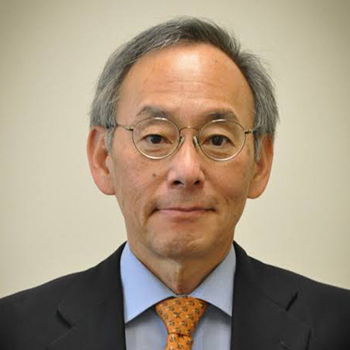
Steven Chu
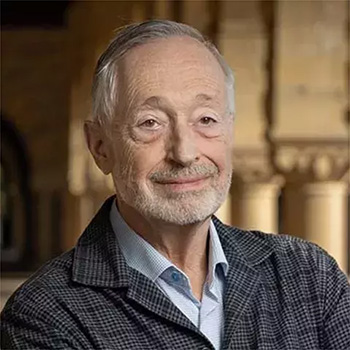
Paul Milgrom
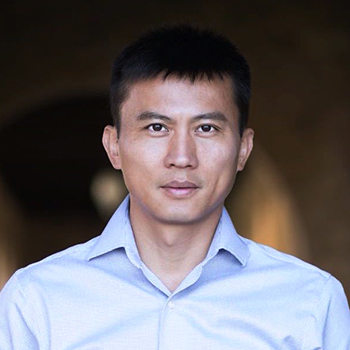
Yi Cui
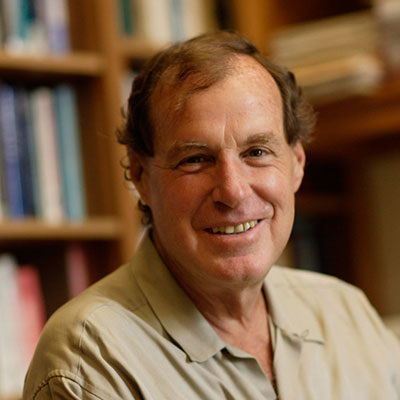
Thomas Heller
William Chueh
Shanjun Li
Power Systems, Markets & Regulation
Experts working on the infrastructure, markets, regulation and flexibility needed for the next energy system.
John Reynolds
Liang Min
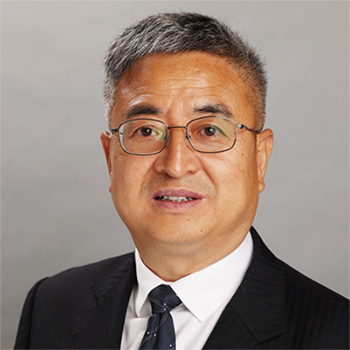
Li Xiangyang
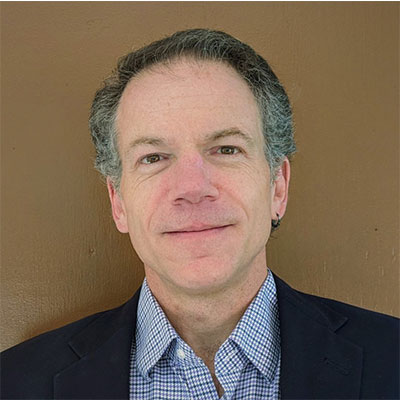
Scott Murtishaw
Industry, Innovation & Investment
Entrepreneurs and industry leaders turning innovation into commercialization, manufacturing and scale.
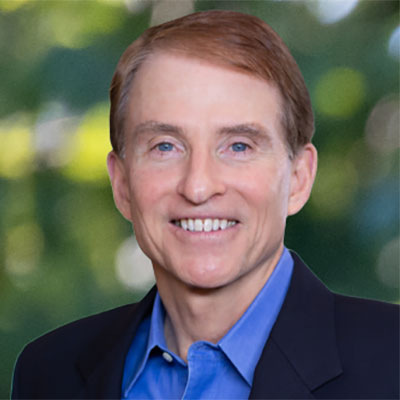
Steve Westly
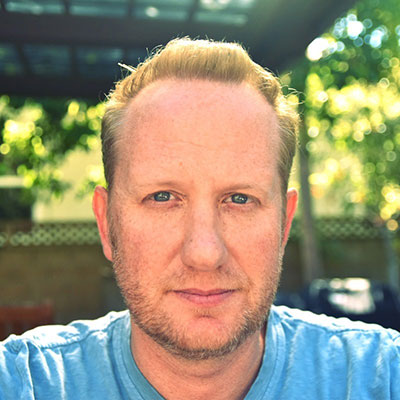
Brian Hardin
Zhang Xuming
Roger Zhang
Steven Chu
Steven Chu is the William R. Kenan, Jr. Professor of Physics, of Molecular and Cellular Physiology, and of Energy Science and Engineering at Stanford University. He received an A.B. degree in mathematics and a B.S. degree in physics from the University of Rochester, and a Ph.D. in physics from the University of California, Berkeley. After a postdoctoral fellowship at Berkeley, he was at Bell Labs as a member of the technical staff in 1978 and then department head in 1983.
From January 2009 to April, 2013, Dr. Chu served as U.S. Secretary of Energy under President Barack Obama. During his tenure, he began several initiatives, including ARPA-E (Advanced Research Projects Agency – Energy), the Energy Innovation Hubs, and the Clean Energy Ministerial meetings. As the first scientist Cabinet member, Chu recruited dozens outstanding scientists and engineers to the Department of Energy, and was personally tasked by President Obama to help stop the BP Oil leak.
From 2004-2009, he was the director of the Lawrence Berkeley National Laboratory and Professor of Physics and of Molecular and Cell Biology at the University of California Berkeley. Prior to those positions, he was the Theodore and Francis Geballe Professor of Physics and Applied Physics at Stanford University. During this time, he helped start Bio-X, a multi-disciplinary initiative combining the physical and biological sciences with engineering and medicine.
His contributions include the introduction of laser cooling and optical trapping of atoms and particles, atomic fountain clocks and atom interferometers, the optical tweezers of biomolecules, and single molecule FRET of biomolecules tethered to surfaces. His current research is in biophysics, molecular and cellular physiology, medical imaging, nanoparticle synthesis and battery research. He has received many awards, including the 1997 Nobel Prize for laser cooling and optical trapping of atoms. He is a member of the National Academy of Sciences, the American Philosophical Society, the American Academy of Arts and Sciences, National Academy of Inventors, and a foreign member of the Royal Society, the Royal Academy of Engineering, the Chinese Academy of Sciences, the Academia Sinica, the Korean Academy of Sciences and Technology and the Pontifical Academy of Sciences.
He received an A.B. degree in mathematics, and a B.S. degree in physics from the University of Rochester, and a Ph.D. in physics from the University of California, Berkeley, and 35 honorary degrees.
Yi Cui
Professor Yi Cui is the Founding Faculty Director of Stanford Sustainability Accelerator.
Cui’s research focuses on the fundamentals of nanomaterials and their applications in batteries, catalysts, wearables, carbon capture, mineral extraction, and environmental technology. He has founded five companies to commercialize technologies developed by his research group.
Cui has published approximately 550 research papers and has an outstanding H-index impact score of 251 (Google Scholar). In 2014, he was ranked No. 1 in materials science by Thomson Reuters’ “The World’s Most Influential Scientific Minds.” In 2022, Cui became an elected member of the National Academy of Sciences. He is a fellow of the American Association for the Advancement of Science, Materials Research Society, Electrochemical Society, and the Royal Society of Chemistry. He is an associate editor of Nano Letters. He is a co-director of the Battery 500 Consortium, and co-director of Stanford’s StorageX Initiative. His selected awards include the Global Energy Prize (2021), U.S. Department of Energy’s Lawrence Award (2020), Materials Research Society Medal (2020), and Blavatnik National Laureate (2017).
Paul Milgrom
Paul Milgrom is the Shirley and Leonard Ely professor of Humanities and Sciences in the Department of Economics at Stanford University and professor, by courtesy, at both the Department of Management Science and Engineering and the Graduate School of Business. He is also chairman and co-founder of Auctionomics, which designs and assists bidders in high-stakes auctions.
In 2020, Milgrom was co-recipient, with Robert Wilson, of the Sveriges Riksbank Prize in Economic Sciences in Honor of Alfred Nobel “for improvements to auction theory and inventions of new auction formats.” According to the prize committee: “The new auction formats are a beautiful example of how basic research can subsequently generate inventions that benefit society. The unusual feature of this example is that the same people developed the theory and the practical applications. The Laureates’ ground-breaking research about auctions has thus been of great benefit, for buyers, sellers and society as a whole.”
Earlier in the same year, he was also named a Distinguished Fellow of the American Economic Association. According to the Distinguished Fellow citation, Milgrom “is the world’s leading auction designer, having helped design many of the auctions for radio spectrum conducted around the world in the last thirty years, including those conducted by the U.S. Federal Communications Commission (ranging from the original simultaneous multiple round auction with activity rules, to the recent incentive auction for repurposing broadcast spectrum for modern uses). His applied work in auction design and consulting has established new ways for economists to interact with the wider world. He is also a theorist of extraordinary breadth, who has provided (and still continues to provide) foundational insights not only into the theory of auctions (including his 1982 paper with Weber), but across the range of modern microeconomic theory.”
Continuing, the citation notes that “His work has been widely recognized. He is a member of the National Academy of Sciences and the American Academy of Arts and Sciences. He has received major prizes, including the 2008 Nemmers Prize, the 2012 BBVA Foundation Frontiers of Knowledge Award, the 2014 Golden Goose Award (with McAfee and Wilson), the 2018 CME Group-MSRI Prize in Innovative Quantitative Applications, and the 2018 John J. Carty Award for the Advancement of Science (with Kreps and Wilson). He is the dissertation advisor of many successful economists.”
Zhenmin Liu
Mr. Liu Zhenmin, China's Special Envoy for Climate Change(since January 2024).Previously, he served as the UN Under-Secretary-General (2017-2022, for economic and social affairs), Vice-Minister for Foreign Affairs of China(2013-2017), Permanent Representative to United Nations Agencies in Geneva(Ambassador Extraordinary and Plenipotentiary, 2012-2013), Assistant Minister for Foreign Affairs (2010-2011), Deputy Permanent Representative to the United Nations (Ambassador Extraordinary and Plenipotentiary, 2006-2010), Director-General of the Department of Treaty and Law (2003-2006) , Counsellor and Deputy Director-General of the Department of Treaty and Law (1996-2003).
Erik Solheim
Following an extensive career focusing on environment and development in government and international organizations, Erik Solheim was Executive Director of the United Nations Environment Programme (UNEP) between May 2016 and November 2018.
Prior to joining UNEP, Solheim was the chair of the Development Assistance Committee of the Organization for Economic Co-operation and Development. In this capacity, Solheim emphasized the role of private sector and tax in development finance, spearheading the Sustainable Development Investment Partnership and the Addis Tax Initiative. Solheim also focused on the need to channel more aid to least-developed countries, and bring new members and partners to the Development Assistance Committee.
“If we all come together and work together, there is no limit to what we can achieve on planet Earth.” – Erik Solheim
From 2007 to 2012, Solheim held the combined portfolio of Norway’s Minister of the Environment and International Development, and from 2005 to 2007 served as Minister of International Development. This unique portfolio mixture allowed him to bring a coherent approach to development and the environment.
During his time as Minister, Norwegian aid reached 1 per cent, the highest in the world. Solheim also put into place the Nature Diversity Act, which many consider to be Norway’s most important piece of environmental legislation in the last 100 years. The Norwegian Climate and Forest Initiative, in which Norway cooperates closely with Brazil, Indonesia, Guyana and other countries to conserve rainforests, was also established under Solheim. This initiative provided critical input to the establishment of UN REDD, the global coalition to reduce emissions from deforestation and forest degradation in developing countries.
Solheim is also an experienced peace negotiator, having acted as the main facilitator of the peace process in Sri Lanka from 1998 to 2005. The peace process led to a ceasefire and the Oslo Declaration in 2002, where parties welcomed a federal state in Sri Lanka. He continued to lead peace efforts in Sri Lanka as Minister, and has contributed to peace processes in Sudan, Nepal, Myanmar and Burundi.
In addition to his role in government and international development, Solheim served as UNEP's Special Envoy for Environment, Conflict and Disaster and a Patron of Nature for the International Union for the Conservation of Nature. He has also received a number of awards for his work on climate and the environment, including UNEP's Champions of the Earth award, TIME Magazine’s Hero of the Environment, and an honorary doctorate from TERI University in Delhi, India. He has also written three books: Den store samtalen, Naermere, and Politikk er a ville.
Solheim holds a degree in history and social studies from the University of Oslo. He is married with four children.
Nancy Skinner
Commissioner Nancy Skinner is serving her first term on the California Energy Commission (CEC).
Governor Gavin Newsom appointed Skinner in January 2025 to serve as the CEC’s engineer/scientist member.
She was a state senator at the California State Senate from 2016 to 2024 and an assemblymember at the California State Assembly from 2008 to 2014. She also served on the Berkeley City Council from 1984 to 1992.
From 2015 to 2016, Skinner was a senior advisor at the Energy and Efficiency Institute at the University of California, Davis, and a lecturer at the Goldman School of Public Policy at UC Berkeley.
She has worked on climate and sustainability issues for a number of organizations, including the United States director at The Climate Group; international director and United States director for the ICLEI-Local Governments for Sustainability Climate Protection Campaign, and executive director at ICLEI-US Local Governments for Sustainability.
Skinner was the executive director of the Graduate Assembly at UC Berkeley and was a writer/researcher at Earthworks Press.
She earned a bachelor of science degree in conservation and resource studies and a master of arts in education from UC Berkeley. She lives in Berkeley.
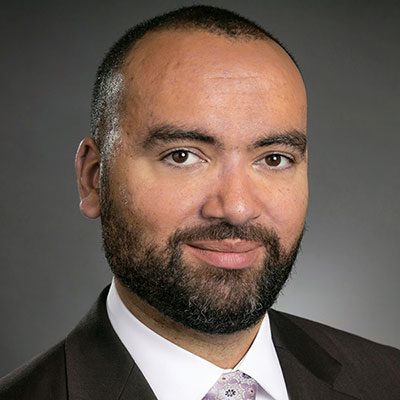
John Reynolds
On Feb. 18, 2026, Governor Gavin Newsom designated John Reynolds President of the California Public Utilities Commission (CPUC), effective March 9, 2026. President Reynolds was appointed to the CPUC by Governor Newsom on Dec. 23, 2021, and reappointed on Dec. 22, 2022.
President Reynolds has experience in both the public and private sector as an attorney and policy advisor in the energy, telecommunications, transportation, and water industries.
President Reynolds earned a bachelor’s degree from Brown University, and a juris doctor degree from the University of California, San Francisco College of Law, where he graduated magna cum laude.
President Reynolds has led proceedings covering topics including:
- PG&E general rate case 2023-2026
- Allocating legacy energy portfolio costs between bundled customers and departing customers (PCIA)
- Analyzing and quantifying risk-related decisions by energy utilities (S-MAP/RDF)
- Implement cost recovery for energy procurement (ERRA)
- Demand response
- Telecom carrier of last resort rules
- Santa Nella investigation: directed PG&E to build infrastructure to provide energy service to a disadvantaged community at risk of losing gas service, with a household-level option to electrify
- PG&E 2023 WEMA: consideration of $1.6B in wildfire safety-related expenses
- Renewables portfolio standard
- PG&E $760 million application for billing system modernization
- Verizon-Frontier acquisition
- Biomethane
- Water consolidations
NARUC: Energy Resources and the Environment committee, International Relations subcommittee, 2025 Demand Roundtable
Other:
- Financial Research Institute board member
- Advisory board member for National Utilities Diversity Council
- Interagency working groups on reliability, offshore wind, SB100
- Enterprise for Youth’s climate career advisor
Steve Westly
Mr. Westly is the Founder & Managing Partner of The Westly Group. He and his partners have built one of the larger sustainable energy, mobility, and prop-tech venture firms in the US. The firm has raised five funds with over $800 million under management, and has 33 of the world’s largest, global energy, transportation, building, insurance, water, and mobility companies as investors. The firm has invested in 45+ portfolio companies. 9 of these firms have gone public, including four with multi-billion valuations: Sentinel One, Procore, Luminar, and Tesla Motors, where Mr. Westly served on the board for three years. Mr. Westly also serves as a frequent commentator having done over 100 interviews on CNBC, Bloomberg and The Schwab Network.
Prior to founding The Westly Group, Steve Westly served as the Controller and Chief Fiscal Officer of the state of California – the world’s fourth-largest economy. As Controller, he chaired the State Lands Commission. He served on 63 other boards and commissions, including CalPERS and CalSTRS, the nation’s two largest public pension funds, which have over $700 billion under management.
In the 2008 election cycle, Steve served as a California Co-Chair for the Obama for America campaign. He also served on the US Secretary of Energy’s Advisory Board as a representative for the venture capital industry.
Before running for office, Steve helped guide the online auction company eBay through its period of most rapid growth, serving as the Senior Vice President of Marketing, Business Development, M&A, and International. Steve helped bring eBay to Europe and Asia and developed the marketing and acquisition strategies that paved the path for the firm’s exponential growth. Steve helped take eBay public in 1998. Steve also served as an executive at several other technology firms, including Netcom and SPRINT.
Steve began his career in Washington, DC, where he worked on Capitol Hill and later in the Office of Conservation and Solar at the US Department of Energy. Steve returned to California to become special assistant to the President of the California Public Utilities Commission. While there, he published two books on energy and utilities.
Steve holds a BA from Stanford University and an MBA from Stanford’s Graduate School of Business, where he served as a lecturer for eleven years. He currently teaches a course called “The Technology, Politics, and Finance for Solving Global Warming.”
Steve and his wife, Anita, run the Westly Foundation, which provides education and healthcare services for children and underserved communities throughout California. They have two children.
Junfeng Li
Mr. Li Junfeng has long been engaged in energy economics and the theory of energy and environment research, successively organized and presided over the drafting work on China’s Renewable Energy Law and National Medium and Long-term Energy Plan, participated in research and drafting of The National Program for Medium and Long-term Scientific and Technological Development, National Strategic Emerging Industry Development Plan, Draft Energy Law, National Climate Change Plan and other important documents. He has organized major national development strategy research projects such as Research on China's Energy Development Strategy, China's Low-carbon Development Macro Strategy, and National Low Greenhouse Gas Emission Development Strategy, etc. Mr. Li Junfeng wins the Ninth Annual Zayed Future Energy Prize Lifetime Achievement Award in January of the year 2017.
Mr. Li Junfeng has served as the First Director General of National Center for Climate Change Strategy and International Cooperation (NCSC) and the Deputy Director General of Energy Research Institute of National Development and Reform Commission (NDRC). He also served as a member of the National Energy Advisory Committee, the National High Technical Experts Committee and the National Expert Committee on Climate Change, a member of the National Expert Committee for Ecological and Environmental Protection, and the Specially Invited Advisor of China Council for International Cooperation on Environment and Development and the low carbon development consultant of Beijing, Shanghai and Shanxi Provincial People's Government. Besides, he also served as a doctoral supervisor of Renmin University of China, etc.
David Sandalow
David Sandalow is the Inaugural Fellow at the Center on Global Energy Policy (CGEP) and Co-Director of the Energy and Environment Concentration at the School of International and Public Affairs at Columbia University. He is the lead author, most recently, of the Sustainable Data Centers Roadmap (October 2025), Artificial Intelligence for Climate Change Mitigation Roadmap (Second Edition) (November 2024) and Guide to Chinese Climate Policy (October 2022). Mr. Sandalow hosts the AI, Energy and Climate Podcast.
Mr. Sandalow chairs the ICEF Innovation Roadmap Project. In that capacity, he has led development of roadmaps on sustainable data centers, artificial intelligence for climate change mitigation, low-carbon ammonia, biomass carbon removal and storage, industrial decarbonization, direct air capture and carbon dioxide utilization, among other topics.
Mr. Sandalow founded and directs CGEP’s US-China Program. He serves on the board of the National Committee on U.S.-China Relations and teaches a short course on the energy transition each year as a Distinguished Visiting Professor in the Schwarzman Scholars Program at Tsinghua University.
Mr. Sandalow has served in senior positions at the White House, State Department and U.S. Department of Energy. He came to Columbia from the U.S. Department of Energy, where he served as Under Secretary of Energy (Acting) and Assistant Secretary for Policy & International Affairs. Prior to serving at DOE, Mr. Sandalow was a Senior Fellow at the Brookings Institution. He has served as Assistant Secretary of State for Oceans, Environment & Science and a Senior Director on the National Security Council staff.
Mr. Sandalow writes and speaks widely on energy and climate policy. In addition to the publications mentioned above, his writings include Data Centers and Their Energy Use: Trends in State Capitals, CGEP (December 15, 2025) (lead author); Can AI Transform the Power Sector?, CGEP (December 4, 2024) (lead author); Using AI to Craft Better Climate Policy, Wall Street Journal (July 20, 2023); Greenhouse Gas Emissions from the Food System: Building the Evidence Base, Environmental Research Letters (June 2021) (co-author); Finding and Fixing Food System Emissions: The Double Helix of Science and Policy, Environmental Research Letters (June 2021) (co-author); Food and Climate InfoGuide, CGEP (May 2021) (lead author); Energizing America, CGEP (September 2020) (co-author); Leveraging State Funds for Clean Energy, CGEP (September 2020) (with Richard Kauffman); Green Stimulus Proposals in China and the United States, CGEP (August 2020) (with Xu Qinhua); China’s Response to Climate Change: A Study in Contrasts, Asia Society Policy Institute (July 2020); China and the Oil Price War, CGEP (March 2020) (co-author); Decarbonizing Space Heating With Air Source Heat Pumps (December 2019, co-author); Electric Vehicle Charging in China and the United States (February 2019) (with Anders Hove); A Natural Gas Giant Awakens (June 2018) (lead author); The Geopolitics of Renewable Energy (2017) (CGEP and Harvard Kennedy School, co-lead author); Financing Solar and Wind Power: Lessons from Oil and Gas (CGEP, 2017, co-author); and The History and Future of the Clean Energy Ministerial (CGEP, 2016). Other works include Plug-In Electric Vehicles: What Role for Washington? (Brookings Institution Press, 2009) (editor), Overcoming Obstacles to U.S.-China Cooperation on Climate Change(Brookings Institution, 2009) (with Ken Lieberthal) and Freedom from Oil (McGraw-Hill, 2007).
Mr. Sandalow is a member of the Zayed Sustainability Prize Selection Committee, Electric Drive Transport Association’s “Hall of Fame” and Council on Foreign Relations. He is a director of Enagás, SA, a Distinguished Fellow at the Oxford Institute for Energy Studies and a Distinguished Senior Fellow at the Atlantic Council. Mr. Sandalow is a graduate of the University of Michigan Law School and Yale College.
Craig Allen
On July 26, 2018, Craig Allen began his tenure in Washington, DC as the president of the US-China Business Council (USCBC), a private, nonpartisan, nonprofit organization representing over 270 American companies doing business with China. Prior to joining USCBC, Craig had a long, distinguished career in US public service.
Craig began his government career in 1985 at the Department of Commerce’s International Trade Administration (ITA). He entered government as a Presidential Management Intern, rotating through the four branches of ITA. From 1986 to 1988, he was an international economist in ITA’s China Office.
In 1988, Craig transferred to the American Institute in Taiwan, where he served as Director of the American Trade Center in Taipei. He held this position until 1992, when he returned to the Department of Commerce for a three-year posting at the US Embassy in Beijing as Commercial Attaché.
In 1995, Craig was assigned to the US Embassy in Tokyo, where he served as a Commercial Attaché. In 1998, he was promoted to Deputy Senior Commercial Officer. In 1999, Craig became a member of the Senior Foreign Service.
From 2000, Craig served a two-year tour at the National Center for APEC in Seattle. While there, he worked on the APEC Summits in Brunei, China, and Mexico. In 2002, it was back to Beijing, where Craig served as the Senior Commercial Officer. In Beijing, Craig was promoted to the Minister Counselor rank of the Senior Foreign Service.
After a four-year tour in South Africa, Craig became Deputy Assistant Secretary for Asia at the US Department of Commerce’s International Trade Administration. He later became Deputy Assistant Secretary for China. Craig was sworn in as the United States ambassador to Brunei Darussalam on December 19, 2014. He served there until July 2018, when he transitioned to President of the US-China Business Council.
Craig received a B.A. from the University of Michigan in Political Science and Asian Studies in 1979. He received a Master of Science in Foreign Service from Georgetown University in 1985.Source:
Zhang Jianmin
ZHANG Jianmin, Consul General of the People’s Republic of China in San Francisco, male, was born in March 1970, Han ethnicity. He has a master's degree in science and is a member of the CPC.
Qi Wang
Dr. Qi Wang is the Chairman and CEO of US-China Green Energy Council (UCGEC). Dr. Wang is dedicated to facilitating extensive exchanges and pragmatic cooperation on clean energy innovation and climate change between U.S. and China. He led the team to establish a wide range of partnerships with top universities, research institutes and enterprises across U.S. and China. He has successfully developed UCGEC to become a high influential platform for information exchange and cooperation on clean energy between US and China.
Dr. Wang has over 20 years experiences on clean technology R&D and commercialization. He was the CTO of a “Global Cleantech 100” company. Prior that, he worked as the technical leader in the advanced technology development division of a Fortune-500 company. Dr. Wang holds Ph.D. in Chemical Engineering from the University of Texas at Austin, and he earned his B.S. and M.S. degrees in Chemical Engineering from Tsinghua University.
Yi Cui
Professor Yi Cui is the Director of Staford Precourt Institute for Energy and Faculty Director of the Sustainability Accelerator,
Cui’s research focuses on the fundamentals of nanomaterials and their applications in batteries, catalysts, wearables, carbon capture, mineral extraction, and environmental technology. He has founded five companies to commercialize technologies developed by his research group.
Cui has published approximately 550 research papers and has an outstanding H-index impact score of 251 (Google Scholar). In 2014, he was ranked No. 1 in materials science by Thomson Reuters’ “The World’s Most Influential Scientific Minds.” In 2022, Cui became an elected member of the National Academy of Sciences. He is a fellow of the American Association for the Advancement of Science, Materials Research Society, Electrochemical Society, and the Royal Society of Chemistry. He is an associate editor of Nano Letters. He is a co-director of the Battery 500 Consortium, and co-director of Stanford’s StorageX Initiative. His selected awards include the Global Energy Prize (2021), U.S. Department of Energy’s Lawrence Award (2020), Materials Research Society Medal (2020), and Blavatnik National Laureate (2017).
Thomas Heller
An expert in international law and legal institutions, Thomas C. Heller has focused his research on the rule of law, international climate control, global energy use, and the interaction of government and nongovernmental organizations in establishing legal structures in the developing world. He has created innovative courses on the role of law in transitional and developing economies, as well as the comparative study of law in developed economies. He has co-directed the law school’s Rule of Law Program, as well as the Stanford Program in International and Comparative Law. Professor Heller has been a visiting professor at the European University Institute, Catholic University of Louvain, and Hong Kong University, and has served as the deputy director of the Freeman Spogli Institute for International Studies at Stanford University, where he is now a senior fellow.
Professor Heller is also a senior fellow (by courtesy) at the Woods Institute for the Environment. Before joining the Stanford Law School faculty in 1979, he was a professor of law at the University of Wisconsin Law School and an attorney-advisor to the governments of Chile and Colombia.
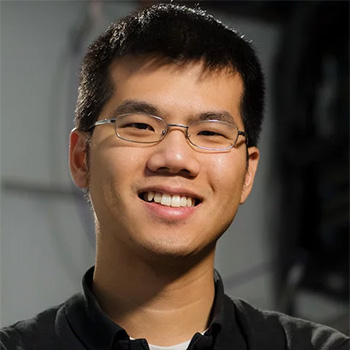
William Chueh
The availability of low-cost but intermittent renewable electricity (e.g., derived from solar and wind) underscores the grand challenge to store and dispatch energy so that it is available when and where it is needed. Redox-active materials promise the efficient transformation between electrical, chemical, and thermal energy, and are at the heart of carbon-neutral energy cycles. Understanding design rules that govern materials chemistry and architecture holds the key towards rationally optimizing technologies such as batteries, fuel cells, electrolyzers, and novel thermodynamic cycles. Electrochemical and chemical reactions involved in these technologies span diverse length and time scales, ranging from Ångströms to meters and from picoseconds to years. As such, establishing a unified, predictive framework has been a major challenge. The central question unifying our research is: “can we understand and engineer redox reactions at the levels of electrons, ions, molecules, particles and devices using a bottom-up approach?” Our approach integrates novel synthesis, fabrication, characterization, modeling and analytics to understand molecular pathways and interfacial structure, and to bridge fundamentals to energy storage and conversion technologies by establishing new design rules.
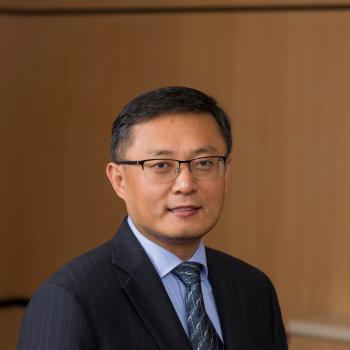
Shanjun Li
Shanjun Li is the Steven and Roberta Denning Global Sustainability Professor and a Senior Fellow at both the Freeman Spogli Institute for International Studies (FSI) and the Stanford Institute for Economic Policy Research (SIEPR). His research focuses on environmental and energy economics, urban and transportation economics, empirical industrial organization, and the Chinese economy. His recent work examines pressing sustainability challenges and the rapid rise of clean energy industries in China, exploring their global implications to inform evidence-based policymaking.
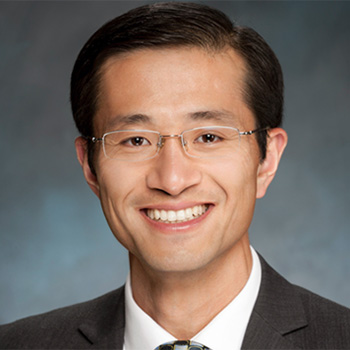
Liang Min
As the Managing Director of the Bits & Watts Initiative at Stanford University, Dr. Liang Min leads a multidisciplinary affiliates program that brings together experts from various fields to drive the digital transformation of the electric grid. Under his leadership, Bits & Watts launched new research areas: 100% Clean Electric Grid, EV50, AI for Climate/Energy, and Digital Grid – an open platform for customer DERs integration. In addition to his role at Bits & Watts, Dr. Min is the Managing Director of the newly established Net-Zero Alliance, which provides a platform for global companies to collaborate with Stanford on research and education focused on achieving a net-zero future. He also spearheaded the launch of the Stanford Energy Executive Education Program, designed to equip industry leaders with the knowledge and skills to navigate the evolving energy landscape.
Dr. Min's career began at the Electric Power Research Institute (EPRI), where he was a senior project manager and significantly contributed to improving the electric grid's reliability and security. His work resulted in multiple U.S. patents for deploying phasor measurement unit technologies at utilities, supported by the American Recovery and Reinvestment Act. He then spent a decade at Lawrence Livermore National Laboratory, where he served as the founding group leader of the energy delivery group and associate program leader for the national lab's cyber and infrastructure resilience program. He has also served as Research Director of the Electric Operations program for the California Energy System for the 21st Century, an initiative to apply the country's most sophisticated high-performance computing technology to enhance California's grid reliability, security, and value to ratepayers.
Xiangyang Li
Xiangyang Li, the current President of State Grid Corporation of China US Rep Office, is in charge of SGCC international business cooperation within North America region, covering the U.S., Canada and Mexico.
Before 2023, Xiangyang is the Vice President of International Cooperation Department of SGCC headquarter which is based at Beijing, China. He was in charge of business communication between SGCC and international organizations, including government agencies, public utilities, industry partners, academic groups, etc. He was also supervising the business operation of eleven SGCC overseas offices which are located globally.
Xiangyang has organized over 50 international business activities and led his team to strengthen the relationship between SGCC and international organizations such as WEF, IRENA and CIGRE.
He also had been serving as external director of China Electric Power and Equipment & Technology Co., Ltd., the subordinate EPC company of SGCC, with total asset of $4 billion.
1999, Xiangyang Li got his doctoral degree in Tsinghua University with excellent performance.
Scott Murtishaw
Scott is a recognized leader in the energy industry, bringing to CESA extensive experience at two other leading energy generation and storage trade associations, and in the President’s office at the California Public Utilities Commission.
Brian Hardin
Dr. Brian Hardin is the Co-founder and CEO of Photara (formerly Aluminio), a company developing metallization technologies for silicon solar cells. Photara’s solutions replace over 85% of silver—a critical, high-cost material—with abundant base metals such as aluminum and copper. This innovation lowers panel costs (by up to 20%), improves cell efficiency, strengthens supply chain security, and accelerates the global solar scaling needed for the clean energy transition.
An entrepreneur in photovoltaics, Brian previously co-founded PLANT PV, where he developed advanced silver-on-aluminum metallization pastes that enhanced solar cell performance and module manufacturing; the technology was acquired in 2019. He holds a PhD in Materials Science from Stanford University (2011), where his research with Prof. Michael McGehee advanced dye-sensitized solar cells and earned him the Materials Research Society Graduate Student Gold Medal. He also holds a BS in Electrical Engineering from the University of Texas at Austin and was a Swiss Fulbright Scholar. With 25+ patents and publications in journals including Nature Photonics, Brian is an expert who speaks on advanced materials and manufacturing.
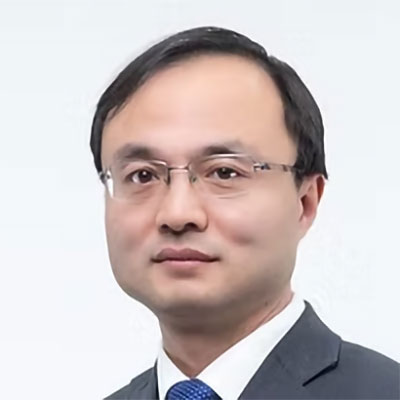
Zhang Xuming
Mr. Zhang is the deputy secretary general of China Society of Automotive Engineers (China SAE) since December 2017. He is responsible for the academic exchange activities and research on electrification in China SAE.
Zhang has 20+ years’ experience in auto industry. Before joining China SAE, Zhang was the general manager of Beijing Tellus Power, responsible for the operation of EV charging station construction and operation, sales and car sharing. From 1999 thru 2013, Mr. Zhang took several positions in General Motors, working on alternative fuel vehicles, electric vehicles, telematics, and energy and environmental policy & regulation.
Mr. Zhang holds a master degree on automotive engineering and a bachelor degree on mechanical engineering from Tsinghua University.
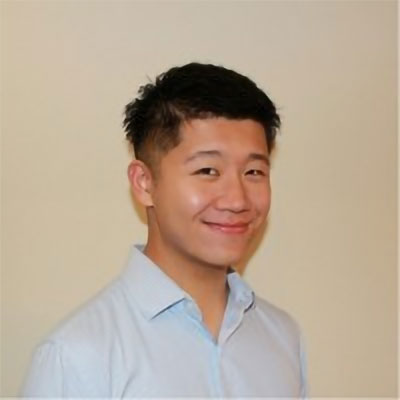
Roger Zhang
Roger is a Finance Build Fellow at The Build Fellowship, where he works with students leading projects in financial analysis and investment evaluation.
Roger works at Persimmon Systems, a startup he co-founded to help U.S. and European clean tech and hardware manufacturers better tap into diversified, robust industrial supply chains. He focuses on structuring supply chain solutions tailored to early-stage manufacturing startups.
Roger has over 3 years of experience in the finance and energy transition field. He began his career at Hillhouse Investment, where he worked as an investor on manufacturing and energy transition startups.
He holds a B.A. in Philosophy from Harvard University.
A fun fact about Roger is that he once built a working data scraper to estimate the real-time sales of a coffee chain — just to help make an investment decision.